
By Joyeeta Gupta
Our earth has provided us with clean air, clean water, a stable climate and rich biodiversity. Nature is constantly working to clean the air and water and provide us with food. However, we humans have taken resources from the earth and dumped waste on it. By doing this we have caused significant harm to other people, communities and countries and other living things and ecosystems – we have made the planet unhealthy. Polluted air and water kills people. Chemicals kill the pollinators that make our flowers bloom and help with food production. The climate is becoming unpredictable.
We have crossed the “safe and just” boundaries of the earth, we have satisfied the greed of some, but not yet the needs of all. We are at a tipping point that could cause Earth’s systems to become unstable and unable to support human life. We need to hit the reset button. We need a better governance system, we need a global constitution that includes nature, biodiversity and human rights.
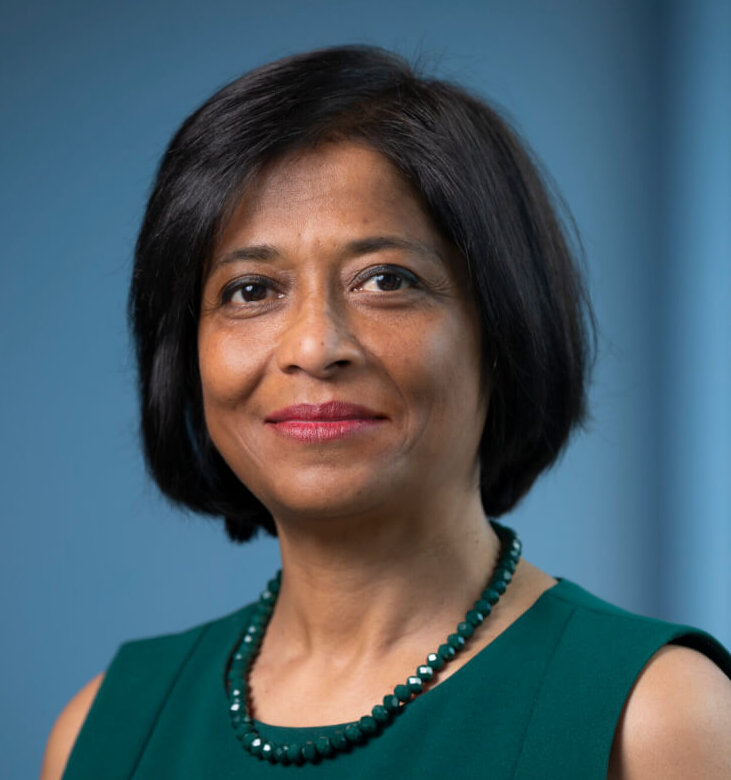
Joyeeta Gupta was born in India, studied economics and law in India, studied international law at Harvard Law School, worked with Ralph Nader, then for an NGO in the Netherlands on stopping the cross-border movement of hazardous waste, fell in love in the Netherlands and stayed there. She subsequently worked as an advisor at the Ministry of Housing, Spatial Planning and the Environment in the field of climate change and moved to the Free University (VU) in Amsterdam in 1993 to complete her PhD research. She was professor of water law and policy in Delft; climate change law and policy at the VU; and environment and development at University of Amsterdam (UVA). Together with other IPCC authors (Intergovernmental Panel on Climate Change) and Al Gore, she won the Nobel Peace Prize in 2007 and the Spinoza Prize – the highest scientific award in the Netherlands – in 2023. This prize was partly the impetus for her to work on a global constitution.
The recording of this event is only available to members of the Lyceum Clubs in their Members’ Pages.
